THE NUTS AND BOLTS of Running Your Farm Business
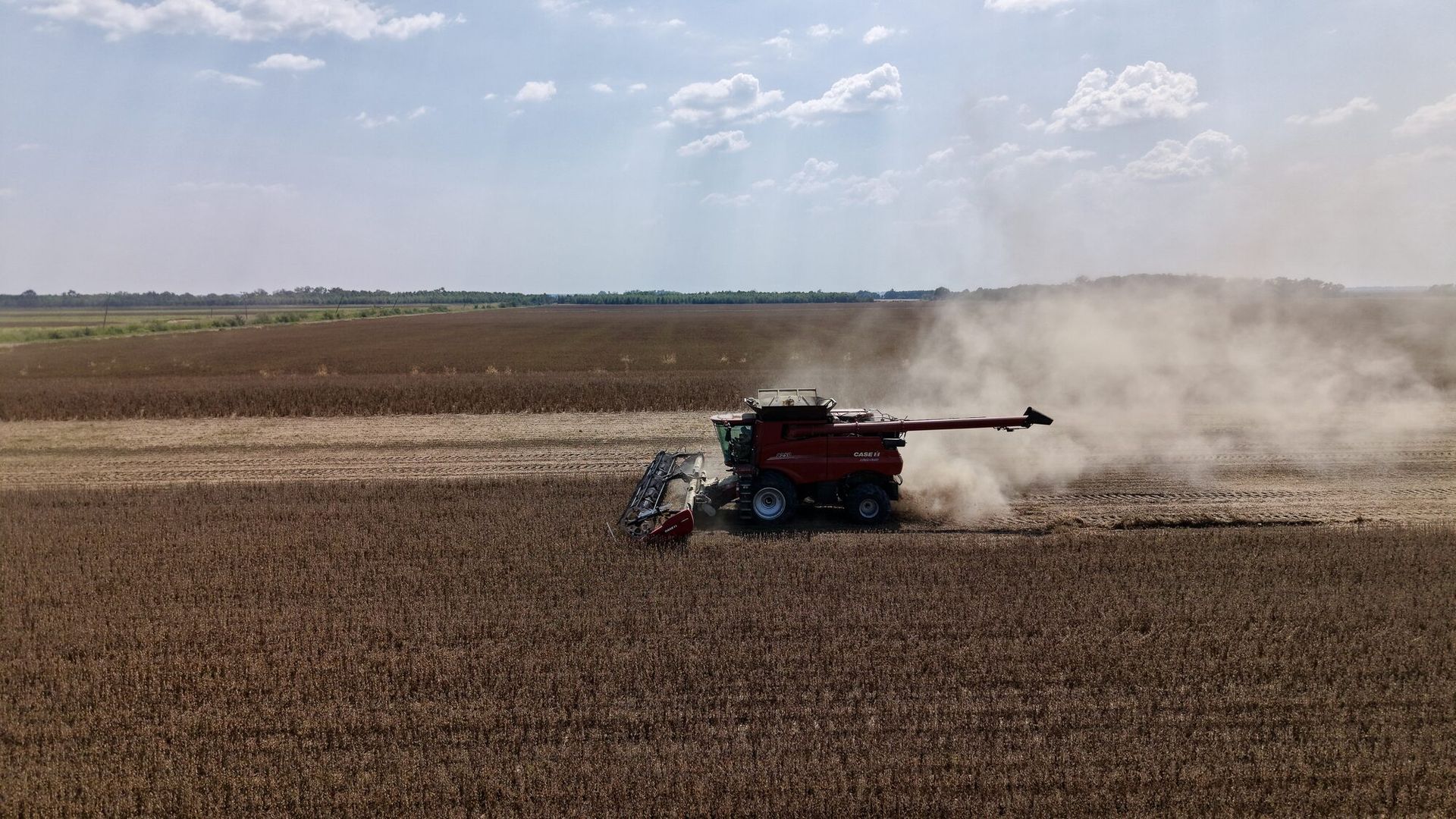
Nobody ever bought a new combine because they were excited about greasing it.
But before long, somebody is crawling around underneath it with a grease gun. Newer models make some service easier, but still it’s an important daily task during harvest season.
Why? Because we all know what happens when you ignore the little things on a piece of farm equipment. A bearing that needed grease. A belt that should have been replaced or isn’t tight enough. A bolt that worked itself loose.
None of those jobs are glamorous. They’re just part of keeping the thing running.
Your farm office has its own grease fittings.
And, unfortunately, nobody has figured out how to put a warning light on your desk when one of them needs attention.
That bank account that hasn’t been reconciled.
The chemical statement with a credit you’re pretty sure should be on there.
The seed invoice you put on deferred payment six months ago.
Those grain tickets sitting in the console of your pickup.
The credit card statement that you know is somewhere.
You know the drill.
Most of these things aren’t hard. That’s probably why they’re so easy to put off.
There is always something more pressing on a farm. A well quits. Somebody needs a part. A truck has a flat. The weather forecast changes. And suddenly the paperwork that was going to take thirty minutes has been sitting on the corner of the desk for three weeks.
Then one day your banker wants an updated balance sheet.
Or your CPA calls.
Or you sit down to figure out how much money you think you will make or need to borrow.
And now those little things matter quite a bit.
Take deferred input purchases. Did you get everything you were billed for? Were the returns credited? Did all the returns actually get made? Is that liability even on the balance sheet your banker is looking at?
Or grain settlements. Do the tickets match the settlement? Are the bushels right? Is the price right? Did something get overlooked?
This isn’t bookkeeping for the sake of bookkeeping.
You’re trying to answer some pretty basic questions:
What do I own? What do I owe? What did I make? And where is the cash going?
If the information in the office is wrong, the decisions coming out of the office can be wrong too.
That equipment purchase might look a little different.
So might the amount you decide to prepay or defer.
So might the conversation with your banker.
And your CPA can only plan around the information he or she knows about. That invoice buried under six months of papers may be old news to you, but it may be brand-new information to them.
None of this means you need a fancy accounting department.
Most farms don’t have one.
It does mean the office needs a little routine maintenance, just like the equipment does.
Maybe it’s an hour every Friday morning. Maybe it’s a couple of hours twice a month. Whatever works for you.
The point is to do it before something breaks.
Because ten minute with a grease gun is a lot cheaper than replacing a bearing in the middle of harvest.
And spending an hour keeping your farm records straight is usually a lot easier than trying to reconstruct your financial life on December 28.
The nuts and bolts aren’t very exciting.
They’re just what holds everything together.
Recent Posts